
How Long Do Porcelain Veneers Last? What Beverly Hills Patients Should Know
Porcelain veneers are a long-term investment in your smile. Dr. Kevin Sands explains the factors that determine how many years you can expect your veneers to look and perform their best.
One of the first questions patients ask when considering porcelain veneers is how long they will last. It is a fair question. Veneers represent a meaningful financial and emotional investment, and patients want to know they are getting long-term value for their decision.
The short answer: porcelain veneers placed by a skilled cosmetic dentist using high-quality materials typically last between 10 and 20 years. Some patients keep their original veneers even longer. But the real answer depends on several variables that are worth understanding before you commit to treatment.
What Determines How Long Porcelain Veneers Last
The lifespan of a porcelain veneer is influenced by three main factors: the quality of the materials, the skill of the dentist and ceramist, and the way the patient cares for them after placement.
Material Quality
Not all dental porcelain is the same. The type of ceramic used, the layering technique, and the firing process all affect the strength, translucency, and stain resistance of the final veneer. Dr. Sands works with a master ceramist who hand-crafts each veneer individually. This is not assembly-line lab work. Each shell is layered, colored, and shaped to match the patient’s natural tooth characteristics, which also means the structural integrity is higher than mass-produced alternatives.
Premium feldspathic porcelain and lithium disilicate (e.max) are two of the most commonly used materials for high-end veneers. Both offer excellent aesthetics and durability when placed correctly.
Dentist Skill and Preparation
The way a tooth is prepared for a veneer directly affects how well the veneer bonds and how long it stays in place. Too much enamel removal weakens the tooth; too little means the veneer may not sit flush. The bonding process itself, including moisture control, adhesive selection, and curing time, also plays a role in long-term retention.
Dr. Sands has placed thousands of veneers over the course of his career, and his approach is conservative. He removes only the minimum amount of enamel necessary to create space for a natural-looking result, which preserves tooth structure and supports a stronger bond.
Patient Care After Placement
Even the best veneers can fail prematurely if the patient does not take care of them. The most common causes of veneer damage include teeth grinding (bruxism), biting into hard objects like ice or pens, using teeth as tools (opening packages, tearing tape), and poor oral hygiene that leads to gum recession around the veneer margins.
Patients who grind their teeth at night are typically recommended a custom night guard to protect both veneers and natural teeth while sleeping. Regular dental checkups every six months allow Dr. Sands to monitor the condition of the veneers and address any early signs of wear or loosening.
Signs That Porcelain Veneers Need Replacement
Veneers do not last forever. Over time, the bonding cement may weaken, the gumline may shift, or the porcelain itself may develop micro-fractures from years of normal use. Here are the most common signs that a veneer is reaching the end of its lifespan:
Visible chipping or cracking on the surface of the veneer. Dark lines appearing at the gumline where the veneer meets the tooth. The veneer feeling loose or shifting slightly when pressed with a finger. A noticeable change in color compared to the surrounding teeth. Sensitivity or discomfort in a tooth that previously had none after veneer placement.
If any of these signs appear, it does not necessarily mean an emergency, but scheduling an evaluation with Dr. Sands sooner rather than later will prevent the issue from getting worse.
Can Individual Veneers Be Replaced Without Redoing the Entire Set?
Yes. In most cases, a single damaged or worn veneer can be replaced without touching the rest. Dr. Sands carefully removes the old veneer, re-prepares the tooth if needed, and takes new impressions for a replacement that matches the existing set in shade, shape, and surface texture. The ceramist uses the remaining veneers as a color and contour reference to ensure a match that is virtually undetectable.
How Dr. Sands Maximizes Veneer Longevity
At his Beverly Hills practice, Dr. Sands takes several specific steps to extend the life of every veneer he places. He uses a multi-step bonding protocol with proven adhesive systems. Each veneer is checked for fit, bite alignment, and margin seal before final cementation. Post-placement, patients receive detailed care instructions and are encouraged to return for regular check-ups so any issues can be caught early.
This level of attention at the front end is what separates a veneer that lasts 8 years from one that lasts 20.
People Also Ask
Porcelain is naturally stain-resistant and actually resists discoloration better than natural enamel. Coffee, wine, and tea are unlikely to stain the porcelain surface itself. The bonding material at the edges may yellow slightly over many years, which is one reason regular dental visits are recommended for early detection.
Porcelain veneer pricing in Beverly Hills typically ranges from $1,500 to $3,000 or more per tooth depending on the materials used, the complexity of the case, and the number of teeth being treated. Dr. Sands provides a specific estimate during the consultation after examining your dental health and discussing your goals. Financing options are available.
Traditional porcelain veneers require a thin layer of enamel removal, which means the process is not fully reversible. Once enamel is removed, the tooth will always need to be covered with a veneer or crown. This is why choosing an experienced cosmetic dentist like Dr. Sands, who uses a conservative preparation approach, is so important.
Whitening treatments do not change the color of porcelain. If you want your natural teeth to match your veneers, whitening should be done before veneer placement so the ceramist can match the veneer shade to your whitened teeth. If you already have veneers and want a brighter overall smile, Dr. Sands can discuss options during a follow-up appointment.
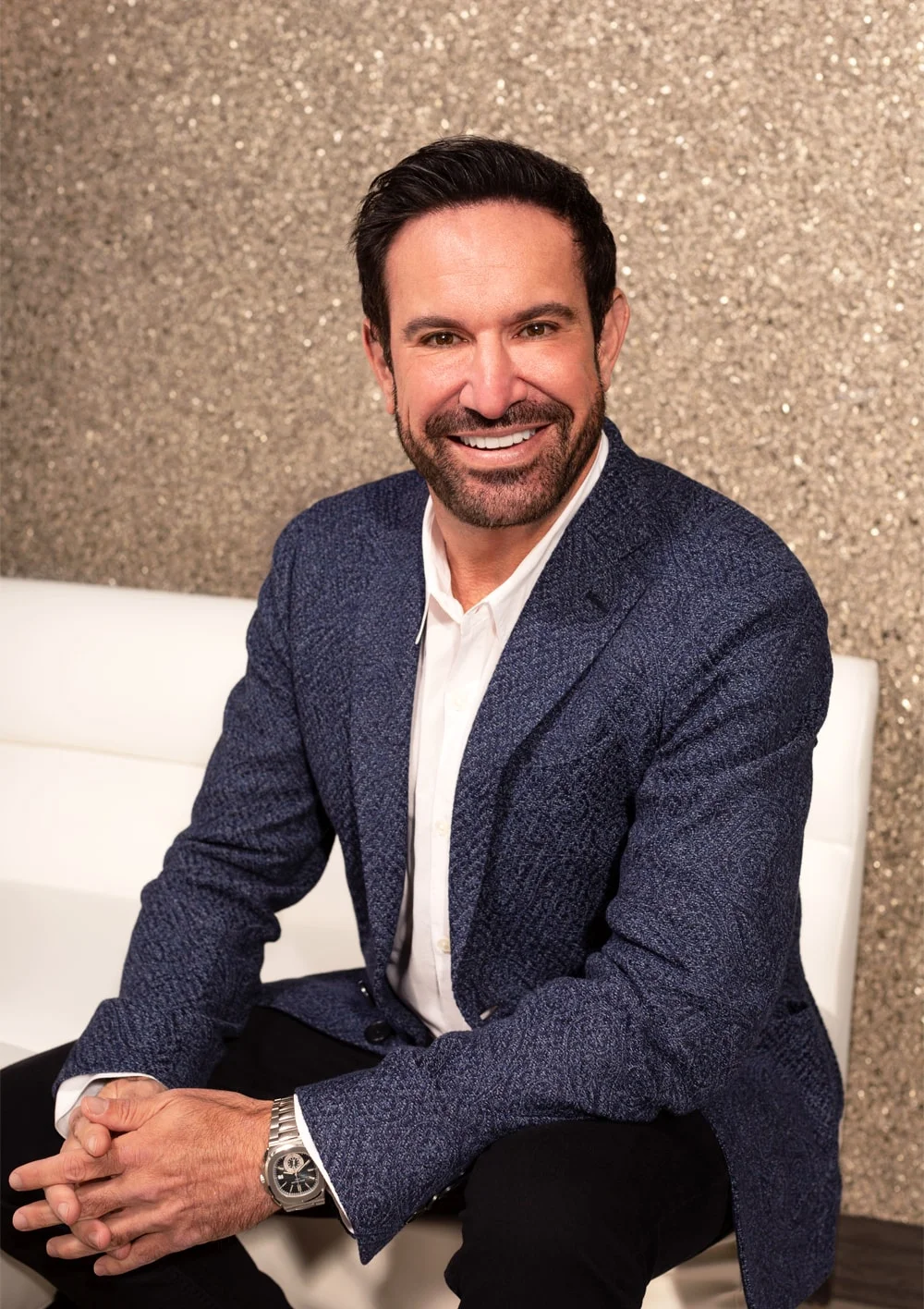
Dr. Kevin Sands, DDS
Beverly Hills cosmetic dentist and porcelain veneer specialist. USC School of Dentistry graduate. Over 15 years of experience placing custom porcelain veneers for celebrities and patients worldwide. Schedule a consultation.
Related Articles
Talk to Dr. Sands About Your Options
Find out if porcelain veneers are the right fit for your smile. Schedule a one-on-one consultation at the Beverly Hills office.