
Smile Makeover vs. Veneers: Which One Is Right for You?
Patients often ask whether they need a full smile makeover or just porcelain veneers. The answer depends on where your teeth are now and where you want them to be.
The terms “smile makeover” and “porcelain veneers” are sometimes used interchangeably by patients, but they refer to different things. Understanding the distinction can save you time, money, and help you set the right expectations before walking into a consultation.
What Are Porcelain Veneers?
Porcelain veneers are a single type of cosmetic dental treatment. Thin shells of dental ceramic are bonded to the front surfaces of teeth to change their color, shape, size, or alignment appearance. Veneers are a standalone procedure. When a patient says “I want veneers,” they are asking for one specific treatment applied to one or more teeth.
Veneers work best when the primary concerns are cosmetic: discoloration, chips, minor gaps, slight asymmetry, or worn-down edges. If the underlying tooth structure is healthy and the bite is already aligned, veneers alone may be all that is needed.
What Is a Smile Makeover?
A smile makeover is not a single procedure. It is a customized treatment plan that combines two or more dental treatments to address multiple concerns at the same time. A smile makeover might include veneers as one component, but it could also include teeth whitening, dental bonding, gum contouring, crowns, implants, Invisalign, or other procedures depending on what the patient needs.
Think of it this way: veneers are a tool, and a smile makeover is the full blueprint. Sometimes the blueprint calls for only one tool. Other times, it requires several working together.
When Veneers Alone Are Enough
If your teeth are structurally sound, your bite is aligned, and your gums are healthy, but you are unhappy with the way your smile looks, veneers by themselves may be the right choice. Common scenarios where Dr. Sands recommends veneers as a standalone treatment include teeth that are permanently stained or discolored beyond what whitening can fix, teeth with minor chips or cracks that affect the appearance but not the function, small gaps between front teeth, teeth that are slightly uneven in length or shape, and teeth that appear dull or flat compared to the patient’s desired look.
In these cases, veneers can deliver a dramatic visual change in as few as two appointments without the need for additional procedures.
When a Full Smile Makeover Makes More Sense
A makeover plan is recommended when the patient’s concerns go beyond what veneers alone can address. Examples include patients who have both cosmetic and structural issues (crooked teeth that need alignment before veneers), patients with missing teeth that require implants in addition to cosmetic work on existing teeth, patients who need gum recontouring because uneven gum tissue is affecting the proportions of their smile, patients whose bite alignment needs correction before cosmetic restorations can be placed properly, and patients who want a complete transformation that addresses the upper and lower arches along with whitening and gum aesthetics.
In these cases, rushing straight to veneers without addressing the underlying issues would lead to a result that either does not look right, does not function properly, or does not last as long as it should.
How Dr. Sands Determines the Right Approach
This decision is not something patients need to figure out on their own. During a consultation, Dr. Sands examines the full picture: tooth structure, gum health, bite mechanics, facial proportions, and the patient’s specific goals. From there, he recommends either a focused veneer plan or a phased makeover strategy, depending on what will produce the best outcome.
Some patients come in expecting to need a full makeover and learn that veneers are enough. Others come in asking for veneers and learn that addressing alignment or gum issues first will give them a better, longer-lasting result. Both situations happen regularly, and neither is a bad outcome. It just means the treatment plan is being built around reality rather than assumptions.
Cost Comparison
A standalone veneer treatment is typically less expensive than a full smile makeover because it involves fewer procedures, fewer appointments, and less overall chair time. A set of 6 to 10 veneers is the most common veneer case size, and the cost is calculated per tooth.
A smile makeover cost varies more widely because it depends on which treatments are included. A makeover that combines Invisalign, whitening, and veneers will cost more than one that combines bonding and whitening alone. Dr. Sands provides a detailed cost breakdown during the consultation so there are no surprises, and financing options are available for patients who want to spread payments over time.
People Also Ask
It depends on what the makeover includes. If it involves only whitening and bonding, a single-visit plan may be possible. If it includes veneers, implants, or orthodontic alignment, multiple visits over several weeks or months are typical. Dr. Sands outlines the full timeline during your consultation.
Not always. If your teeth are only slightly misaligned, veneers may be able to create the appearance of straighter teeth without orthodontic treatment. If the misalignment is more significant, completing Invisalign first allows Dr. Sands to place veneers on properly positioned teeth, which typically leads to a more conservative preparation and a better final result.
Timelines vary based on the procedures involved. A veneer-only case typically takes 2 to 3 weeks. A makeover that includes Invisalign may take 6 to 18 months for alignment, followed by the cosmetic phase. Dr. Sands creates a phased timeline during your consultation so you know what to expect at each stage.
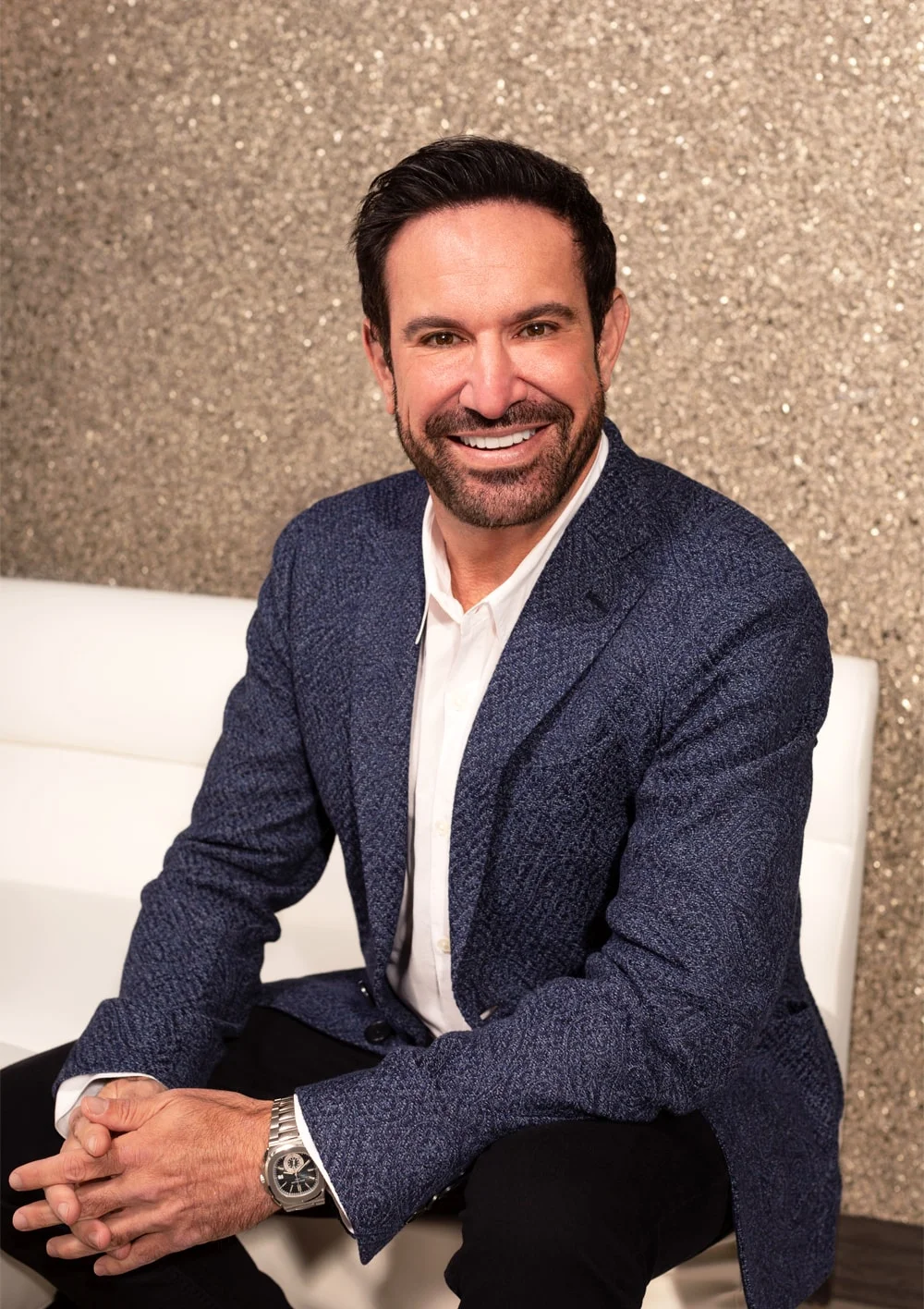
Dr. Kevin Sands, DDS
Beverly Hills cosmetic dentist specializing in porcelain veneers and full smile makeovers for celebrities and patients worldwide. Schedule your consultation.
Let Dr. Sands Help You Decide
A consultation is the fastest way to get a clear answer. Dr. Sands will examine your smile, listen to your goals, and recommend the right path forward.